1 1 2 Candy Embroidery Font Review
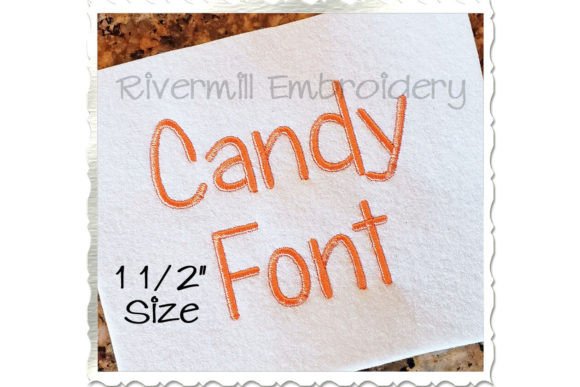
The 1 1 2 Candy Embroidery Font is a playful and eye-catching machine embroidery design that brings a whimsical touch to any handmade product. With its bold, rounded letters and candy-like charm, this font is perfect for craft fair sellers looking to add a sweet and nostalgic vibe to their booth. Whether you're selling tote bags, aprons, or embroidered patches, this design has the potential to stand out in a crowd.
First Impressions of 1 1 2 Candy Embroidery Font
From the moment you see the 1 1 2 Candy Embroidery Font, it exudes a fun and approachable personality. The font feels like something you’d find on a vintage candy wrapper or a retro school project—simple yet charming. It’s not overly decorative, but it has just enough detail to catch the eye without being too busy. This makes it ideal for a wide range of products, from everyday items like tea towels to more special occasion pieces like gift tags or holiday decorations.
As an embroidery designer, I appreciate how the 1 1 2 Candy Embroidery Font balances simplicity with character. It’s not too delicate or too bold, which makes it versatile for different fabric types and color combinations. The font works well on both light and dark fabrics, especially when paired with contrasting thread colors. For example, a bright red lettering on a black tote bag can make a strong visual statement at a craft fair.
Best Uses for 1 1 2 Candy Embroidery Font
When it comes to craft fair products, the 1 1 2 Candy Embroidery Font shines on items that are both functional and visually appealing. Tote bags, aprons, and kitchen towels are natural fits, as they offer ample space for the design to be seen clearly. A large, centered "1 1 2" on a tote bag can draw attention and spark conversation, making it a great conversation starter at your booth.
Embroidered patches are another excellent application. Small, detailed patches with the 1 1 2 Candy Embroidery Font can be used on backpacks, jackets, or even as keychains. They’re easy to produce in bulk and can be sold as standalone items or added as accents to other handmade products.
For small shop products, the 1 1 2 Candy Embroidery Font works well on fabric pouches, pillow covers, and market bags. These items are often displayed in a way that allows customers to see the design up close, which is important for a font that relies on subtle details. When placed on a white or light-colored background, the design looks clean and professional, making it suitable for both casual and boutique settings.
Practical Selling and Production Considerations
One of the biggest advantages of the 1 1 2 Candy Embroidery Font is its clarity at a glance. The letters are well-proportioned and easy to read, which is essential for craft fair buyers who may only have a few seconds to decide if they like a product. This makes it a smart choice for booth samples and printable mockups that you can use to showcase your work.
On the production side, the 1 1 2 Candy Embroidery Font is relatively straightforward. It doesn’t have dense stitch areas or tiny details that could cause problems with thick fabrics or textured surfaces. However, it’s still important to test the design on different materials before mass-producing. For instance, if you’re planning to embroider on a dark fabric, make sure the thread color contrasts well with the background to maintain visibility.
Stitch density is another factor to consider. If the design is too dense, it might cause puckering or distortion on certain fabrics. On the flip side, if it's too sparse, the letters may not hold up well over time. Testing the 1 1 2 Candy Embroidery Font on scrap fabric before starting a batch is always a good idea.
Careful-Use Notes for 1 1 2 Candy Embroidery Font
While the 1 1 2 Candy Embroidery Font is generally easy to work with, there are a few things to keep in mind. Tiny details in the letters, such as the curves on the "1" and "2," may not show up clearly on very small designs. If you're planning to use this font for smaller items like keychains or buttons, consider adjusting the size to ensure legibility.
Curved cap surfaces can also be a challenge. The 1 1 2 Candy Embroidery Font may require some adjustments to fit properly on a baseball cap or similar item. Make sure to check the hoop size and adjust the design if necessary to avoid distortion.
For commercial embroidery projects, it's important to confirm the licensing terms before selling finished products. While the 1 1 2 Candy Embroidery Font includes PES format, the specific rights for resale or redistribution should be verified. As an Etsy seller or digital seller, you want to ensure that your use of the design aligns with the terms provided by the designer.
Impact on Visual Appeal and Customer Engagement
The 1 1 2 Candy Embroidery Font adds a unique visual appeal to any handmade product. Its playful style can help differentiate your offerings from others at the craft fair, making your booth more memorable. Customers are often drawn to designs that feel personal and creative, and this font delivers on both counts.
From a brand consistency standpoint, using the 1 1 2 Candy Embroidery Font across multiple products helps create a cohesive look. Whether you're offering tote bags, aprons, or embroidered patches, the consistent use of this font can reinforce your brand identity and make your products more recognizable.
At a craft fair, the strength of your booth display is crucial. The 1 1 2 Candy Embroidery Font can be used to create eye-catching displays that draw people in. Using it on sample products or printed banners can help communicate your style and attract potential buyers.
Essential Tips for Embroidery Designers
If you're planning to use the 1 1 2 Candy Embroidery Font in your own craft fair products, here are a few key steps to follow:
- Test the design on scrap fabric to see how it looks and feels before committing to a full batch.
- Check thread contrast to ensure the font stands out on your chosen fabric color.
- Review spacing and sizing to make sure the design fits your intended product.
- Confirm the hoop size required for the design to avoid any issues during embroidery.
- Inspect stitch density to prevent puckering or distortion on certain fabrics.
- Use the right stabilizer for your material to ensure the design stays in place during stitching.
- Create at least one real mockup to see how the final product will look in person.
- Compare fabric colors to find the best match for your design.
- Confirm commercial licensing before selling finished products to avoid legal issues.
By following these steps, you can maximize the potential of the 1 1 2 Candy Embroidery Font and ensure that your craft fair products are both beautiful and practical.